
Blog
How to Choose the Right Hair Oil for Your Hair Type

Introduction
Walk into any store or scroll through any beauty page and you will find dozens of hair oils, each one promising thicker, shinier, stronger hair. The problem is that not every oil works the same way for every head of hair. An oil that transforms one person’s dry, frizzy hair can leave someone with oily roots looking greasier within a day.
Choosing the right hair oil for your hair type is less about finding the most expensive bottle and more about understanding what your hair actually needs. This guide breaks down how to figure that out, so your oiling routine actually works with your hair instead of against it.
Why hair type matters more than the label
Hair oil works by coating the hair shaft and, depending on the formula, penetrating into the scalp to nourish the roots. How your hair responds to that depends heavily on its natural texture, porosity, and how much oil your scalp already produces on its own.
An oil marketed as “for all hair types” can still feel too heavy for fine, oily hair or too light to make a real difference for dry, coarse hair. This is why understanding your own hair type first makes such a difference in choosing an oil that actually helps rather than one that just sits on the surface.
Identifying your hair type
Oily hair
If your scalp feels greasy within a day or two of washing, and your roots tend to flatten quickly, you likely have an oily scalp. This does not mean you should skip oiling altogether. It means the oil needs to be light, absorb well, and focus more on nourishing the roots without adding extra heaviness.
Dry hair
Dry hair often feels rough to the touch, tangles easily, and may show visible frizz or split ends. This hair type generally benefits from richer oils that deeply moisturise the strands and help lock in hydration, since dry hair is often lacking the natural oils that keep it soft and manageable.
Normal hair
If your hair is neither excessively oily nor dry, and generally feels balanced, you have more flexibility in the oils you can use. The focus here is usually less about correcting an imbalance and more about maintaining strength, shine, and healthy growth over time.
Fine hair
Fine hair can weigh down quickly under heavy oils, so lighter formulas that absorb well without leaving residue tend to work best. A little goes a long way with fine hair, and over application can make it look limp rather than healthy.
Thick or coarse hair
Thick, coarse hair often needs more oil to properly coat and nourish each strand. Richer, more concentrated formulas work well here, since this hair type can handle and often needs a heavier application than finer hair.
What to look for in a hair oil based on your type
For oily hair
Look for lighter herbal oils that focus on scalp health rather than heavy strand coating. Ingredients like Rosemary and Black Seed are known for supporting a balanced scalp environment without adding excess grease, making them a good fit for oily hair types.
For dry hair
Richer, more nourishing ingredients work best here. Amla is well known for deeply conditioning dry strands, while Fenugreek helps restore moisture and softness to hair that tends to feel brittle or rough.
For normal to thick hair
A well rounded blend that combines root strengthening ingredients with strand nourishing ones tends to work best, since this hair type can benefit from both scalp support and moisture without the risk of excess buildup.
How your scalp condition changes the answer
Hair type is only part of the picture. Scalp condition matters just as much when choosing an oil. If you deal with an itchy or flaky scalp, ingredients with natural soothing properties, such as Black Seed, can help calm irritation while still delivering nourishment to the roots. If hair fall is your main concern regardless of hair type, look for oils that combine multiple root strengthening ingredients rather than relying on a single one, since hair fall is often influenced by more than one factor at once.
If hard water is part of your daily reality, it is also worth understanding how it affects your hair separately from choosing an oil. Our guide on hard water hair fall in Pakistan covers this in more detail, since hard water can undo some of the benefits of even the right oil if it is not addressed alongside your routine.
Why blended herbal oils often work better than single ingredient oils
Many traditional hair oils rely on a single ingredient, such as coconut or almond oil alone. While these have their benefits, a blended formula that combines multiple herbal ingredients, each targeting a different aspect of hair health, often delivers more complete results. Rosemary supports circulation, Amla nourishes and conditions, Black Seed soothes the scalp, and Fenugreek strengthens strands from within. Together, they address root health, moisture, and strength rather than just one piece of the puzzle.
You can read more about why this specific combination works so well in our post on Rosemary, Black Seed, and Fenugreek for hair growth.
How to test if an oil is right for you
If you are unsure whether a new oil suits your hair type, a few signs can help you decide within the first couple of weeks of use.
- Your scalp should feel nourished, not greasy or weighed down the next day
- Hair should feel softer and more manageable, not sticky or coated
- Frizz and dryness should visibly reduce over consistent use
- There should be no unusual itching, irritation, or increased shedding
- Hair should generally look shinier and healthier rather than dull or flat
If an oil consistently causes discomfort or does not suit how your hair behaves after a few weeks of proper use, it is worth reconsidering the formula rather than pushing through with something that is not working for you.
Building the right oiling routine around your hair type
Choosing the right oil is only half the equation. How you apply it matters too. Oily hair types generally benefit from focusing application on the scalp and roots rather than the lengths, while dry hair types often benefit from applying oil through the mid lengths and ends as well. Our guide on a simple oiling routine that actually works walks through how to build consistency into your routine, regardless of hair type.
Frequently asked questions
Can I use the same hair oil year round regardless of hair type? Your hair type generally stays consistent, but seasonal changes in weather and humidity can shift how your scalp and hair behave. Paying attention to how your hair responds during different seasons can help you adjust your routine as needed.
Is it bad to oil your hair if you already have oily hair? No, oiling is still beneficial for oily hair, but it should focus on lighter formulas and root nourishment rather than heavy application through the lengths, which can add unwanted grease.
How do I know if an oil is too heavy for my hair type? If your hair feels weighed down, greasy, or takes longer than usual to feel clean after washing, the oil may be too rich for your hair type and a lighter formula would likely work better.
Can herbal hair oils help with hair thinning as well as dryness? Yes, herbal ingredients like Rosemary and Fenugreek are known to support scalp circulation and root strength, which can help address thinning alongside providing moisture for dry hair.
How long should I try a new hair oil before deciding if it works for my hair type? Give it at least two to three weeks of consistent use. Hair and scalp changes take time to become visible, and judging an oil too quickly can lead to switching products before they have had a real chance to work.
Finding the formula that works for you
The right hair oil is not the one with the best marketing. It is the one that actually matches what your hair and scalp need, whether that means lighter and root focused for oily hair, or richer and more nourishing for dry, coarse strands. Understanding your hair type first makes every step after that far more effective.
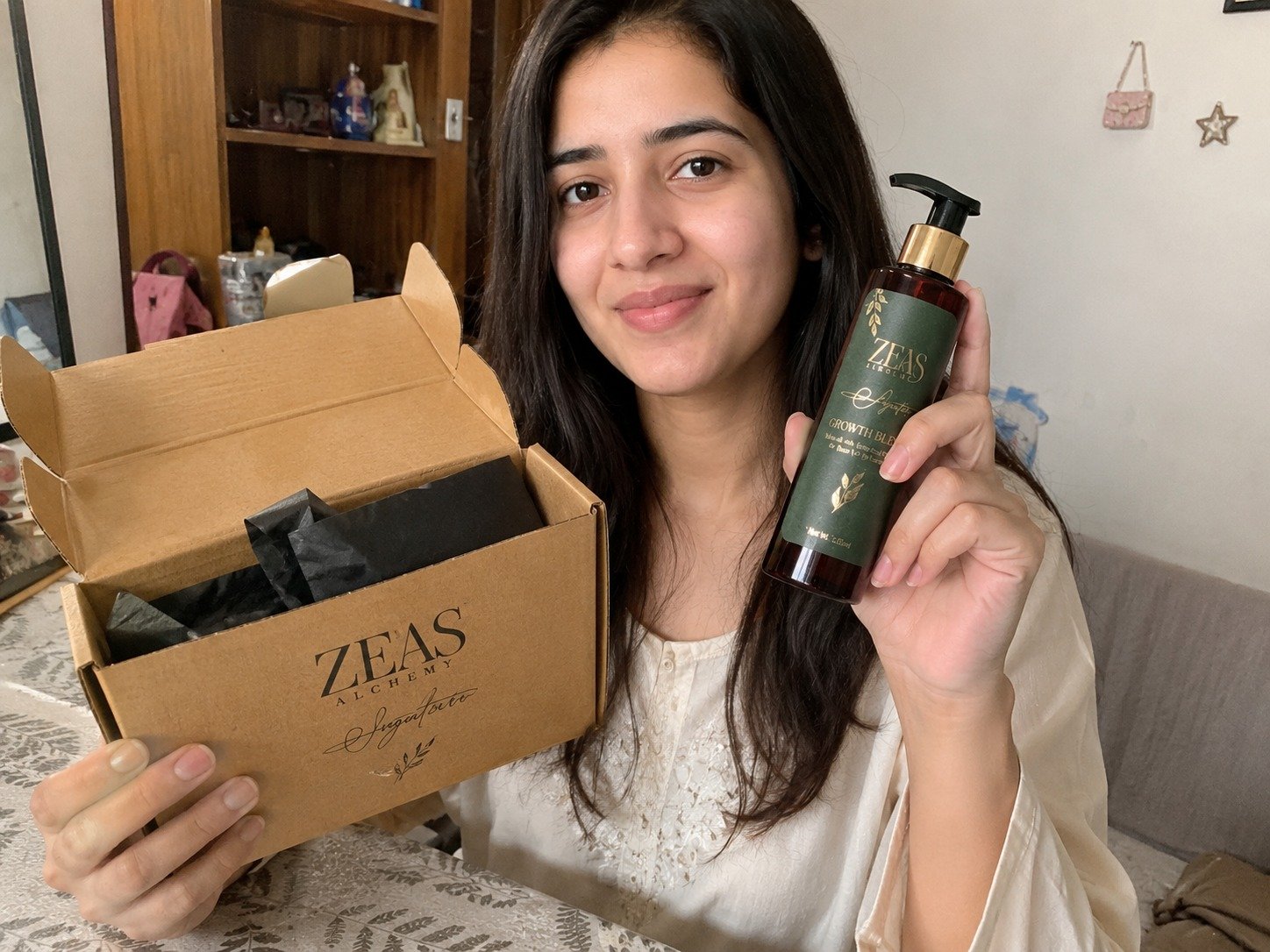
If you are ready to find a herbal formula built to support healthy hair from root to tip, explore our Signature Growth Blend today.
One thought on “How to Choose the Right Hair Oil for Your Hair Type”